

About Us
Self-seal-bags.co.uk is a division of Polybags specialising in self-seal bags. Established in 1961, Polybags Ltd has been providing customers with quality polythene and polypropylene products at competitive prices for over half a century.
Minigrip bags trivia
Details about Round Clear Window Grip Seal Bags Purple Stand Up Pouch Very Strong Smell Free
Grip seal bags with a transparent window are a superb reply when presentation and containment both matter. The see-through panel lets the contents do the talking, while the coloured outer film gives the pack more presence on a shelf or in a select-and-pack area. That combination works optimal where the product requirements to be identified fast without opening the pack, which assists with stock checks and reduces handling. A stronger gauge also retains the pouch standing properly and makes it less likely to crease or split in transit. When display and daily handling need to work together, this format does the job neatly.
Self Seal Bags
Self seal bags rely on the proper film specification, because a tidy-looking closure means small if the material cannot cope with handling after packing. Thin gauge polythene suppliers may retain freight down and make select-face work quicker, nevertheless it can also lose puncture resistance and split when cartons are stacked tightly or moved through the warehouse. Seal profile and resin blend matter only as much, since weak side welds can open after a few uses or below pressure in transit. A bag that suits the product and the route will grasp together properly, while the gross selection soon turns into avoidable damage and returns.
Gripper bags rely on controlled inflation because the bag has to rise evenly if it is going to grasp its shape and grip properly in service. Smooth airflow through the chambers lets the film or sheet settle without sudden surges, so the finished part feels firm instead of loose or patchy. A fluted profile assists because it smashs up trapped air and guides the material against the duct wall without overstretching one spot, which improves the bite and retains the bag looking tidy. That steadier inflation also gives operatours less rejects on the line, so production runs more cleanly and the finished stock is more proper.
Mini grip bags work optimal when small components need to stay together without adding additional board, wrap or dead weight to a consignment. The proper value is not the small bag itself nevertheless the control it gives at the packing bench, where screws, clips, washers and similar fixings can be counted, sealed and issued in a tidy unit. A consistent film gauge matters because thin spots are the first weak point when bags are handled in crates or tipped into outer cases. If the seal closes cleanly and the film has enough puncture resistance, the contents stay put instead of spreading across the floor or disappearing into mixed stock.
Self-seal bags only grasp up in practice when the film gauge matches the job, not only the appearance. A flimsy bag may see tidy on a shelf, yet repeated handling soon shows the disadvantage: the film creases, sharp edges print through, and the pack loses the tidy shape needed for easy select-face work. On the other hand, a heavy gauge can add bulk and dead weight without giving a matching increase in protection. The better selection gives the bag enough body to stay square and presentable, which makes sorting, packing, and dispatch much less troublesome.
Grippa bags only work properly when the polythene suppliers has enough body to retain the film stable and enough evenness in the gauge to make the closure behave the same method all time. A closure that sees tidy on the bench can still fail if the web has weak spots or the melt flow has been poorly controlled, because the seal will split when packs are stacked, squeezed, or opened and shut repeatedly amid a shift. That sort of inconsistency slows packing and creates more checks for operatours. A transparent film also assists staff identify contents at speed, which cuts sorting mistakes and retains the flow moving.
Ambassadour Grip Seal Clear Minigrip Bags 150 (1000 Pack)
Minigrip bags in the 150 x 230 mm size suit mixed small products because the format gives enough room for screws, tags, clips and service parts without wasting space on the bench or in a tote. That balance matters in packing and storage, since oversised bags make trays see untidy and reduce how plenty cases fit on a shelf or in a tote. A transparent low-density polythene suppliers bag with a proper gauge grasps up better than flimsy film, because weak spots invite split seams and awkward handling. A proper grip closure also saves time amid filling and relabelling, so the job stays tidy instead of becoming a mess of loose stock.
Grip seal bags earn their place because they reduce handling time without adding much weight or bulk to a packed item. In kitting, sample packs and small-parts dispatch, a bag that opens and closes cleanly retains the line moving and cuts back on secondary packing, which often costs more labour than the film itself. The proper value sits in the closure: the lips need enough grip for repeat use, nevertheless not so much resistance that operatours struggle to open them fast. A superb bag also assists stock control, since contents stay visible and sorted. When the seal is consistent, warehouse staff waste less time checking loose items and clients receive a tidier consignment.
Antistatic grip seal bags need to open and close cleanly if packing speed is to stay high without making the contents difficult to handle. On a production bench, a bag that parts at the seal without sticking saves time with small components, while the grip snaps back shut before static can pull dust onto the film or make parts cling to the inside. That balance relies on the film itself, because a superb LDPE blend with the proper additive can reduce static without turning the bag cloudy or stiff. Matched gauge and seal quality retain the bag light, workable and proper, which assists the line retain moving.
Transparent self seal bags need careful matching of film, flap and closure because transparent packaging exposes all small fault straight away. A bag may see roomy in a specification sheet, then feel small once the adhesive strip and proper opening are taken into record, so the aperture and gauge should be checked before it goes into a packing line or dispatch dash. Film that hangs flat, seals cleanly and resists whitening retains the pack looking sharp, while a poor selection soon shows scuffed corners, distorted edges and trapped moisture. That kind of disadvantage is easy to spot on a select-face or in a shopping tray, and it can make a simple item see poorly handled.
Polybags products
Polybags has been trading online at polybags.co.uk since 1999, providing customers with an excellent range of products including:

- Carrier bags
- Polybags stocks a huge variety of clear and coloured carrier bags, made from either standard polythene or biodegradable materials and with a range of handle styles, including vest, patch and premium. You can also customise your bags to include your own company design.

- Mailing and courier bags
- Perfect for regular post or courier services, mailing bags are light, waterproof and easy to use with an integral self-adhesive strip. Whether using standard, tuff, tamper proof, bubble or metallic mailers, these will add a touch of professionalism to your delivery.

- Plain packing bags
- Polybags' range of plain polythene bags will cater for any type of packing, from covering furniture for storage or removals to protecting art during transportation, stocking nick nacks or nuts and bolts or packing food for extra freshness.

- Polythene tubing and sheeting
- If you need to pack items of varying shapes and sizes, then polythene tubing or sheeting is just what you need. Available in light, medium or heavy duty polythene and in a range of widths, just unroll the correct amount of polythene, wrap the item and secure with tape, banding or a heat sealer.

- Bubble packaging
- If you have delicate items that need to be protected during postage or transportation, Polybags' range of bubble packaging provides the perfect solution. This wide variety of bubble wrap and bubble bags give air-cushioned protection for items of all shapes and sizes.

- Grip seal or self-seal bags
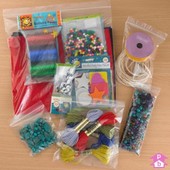
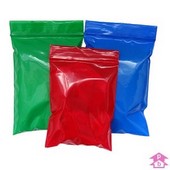
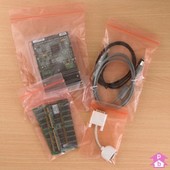
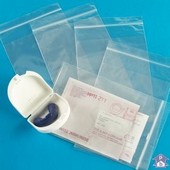
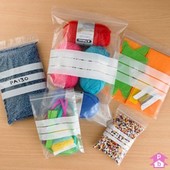
- Ever-popular with customers, Polybags stock a huge range of self-seal bags, also known as grip-seal bags. Easy to use time and time again thanks to a simple plastic strip fastener, these bags will keep any contents free waterproof and free from contamination or dirt.

- Produce and paper bags
- These ultra-thin high density polythene film bags and wide range of paper bags and carriers will cater for all types of food produce and allow you to package your food however you wish. Perfect for grocers, market traders, delicatessens, take-away restaurants and food traders everywhere.

- Waste bags and sacks
- Made from recycled polythene but very durable, Polybags' excellent range of waste bags caters for almost any bin. Ideal for home, garden or workplace, these bags will cover any disposal need, including clinical, hazardous or other specialist waste.

- Environmental bags
- Polybags stocks a wide range of green products that will meet your packaging needs whilst remaining eco-friendly. Made from Biodegradable or Polybio packaging and developed in line with the latest research findings, these carriers, bin liners, refuse sacks and more will help you look out for the environment.

- Garment and laundry covers
- A leading manufacturer of dry cleaning and laundry covers, Polybags will help you and your customers protect your clothes or linen in storage or during transportation. This excellent range includes laundry collection bags, duvet covers, linen covers and dry cleaning covers. Available off the peg in clear or pre-printed form.

- Presentation bags and retail bags
- If you are looking for packaging to make your products sparkle, then this range of presentation bags made from high-clarity polypropylene film is just what you need. Any retailer who dazzles their customers with these bags will agree that there's no better way to present your products.

- Vacuum bags
- Vacuum packs are the ideal packaging for the catering industry as they will extend the shelf life of food by up to five times. Perfect for storing fish, meat, cooked or dried foods, these packs are compatible with all major chamber vacuum sealers.